Highlights from our recent events!
By Theresa Sutter
Winter is quieter in terms of our work, but it is a great time to plan, decide, and organize what we want to accomplish during the year. We are assisted by following our Annual Plan of Work which ensures we stay on track. There are always speaking events, school requests and other items that pop up, but they make our days interesting. No day is alike and that’s the way I like it!
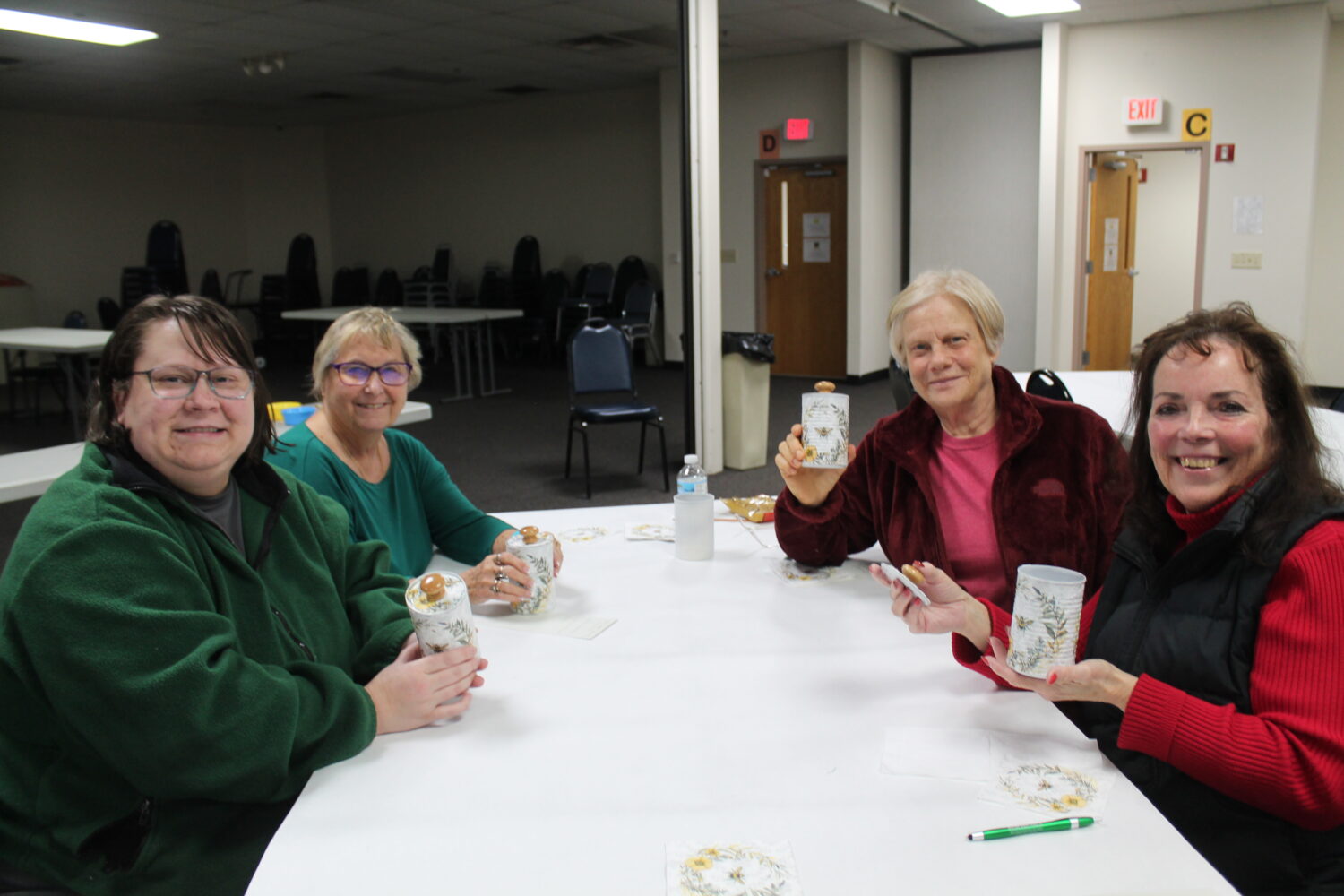
We kicked off the year with our first Conservation Creation Arts & Crafts Workshop series in January. Pete Porter of the Richland Solid Waste Management Waste Authority was our guest speaker, and he clued us in on what his organization does, what items to recycle, and where to recycle. We transformed a nondescript recycled tin can into a pretty container.
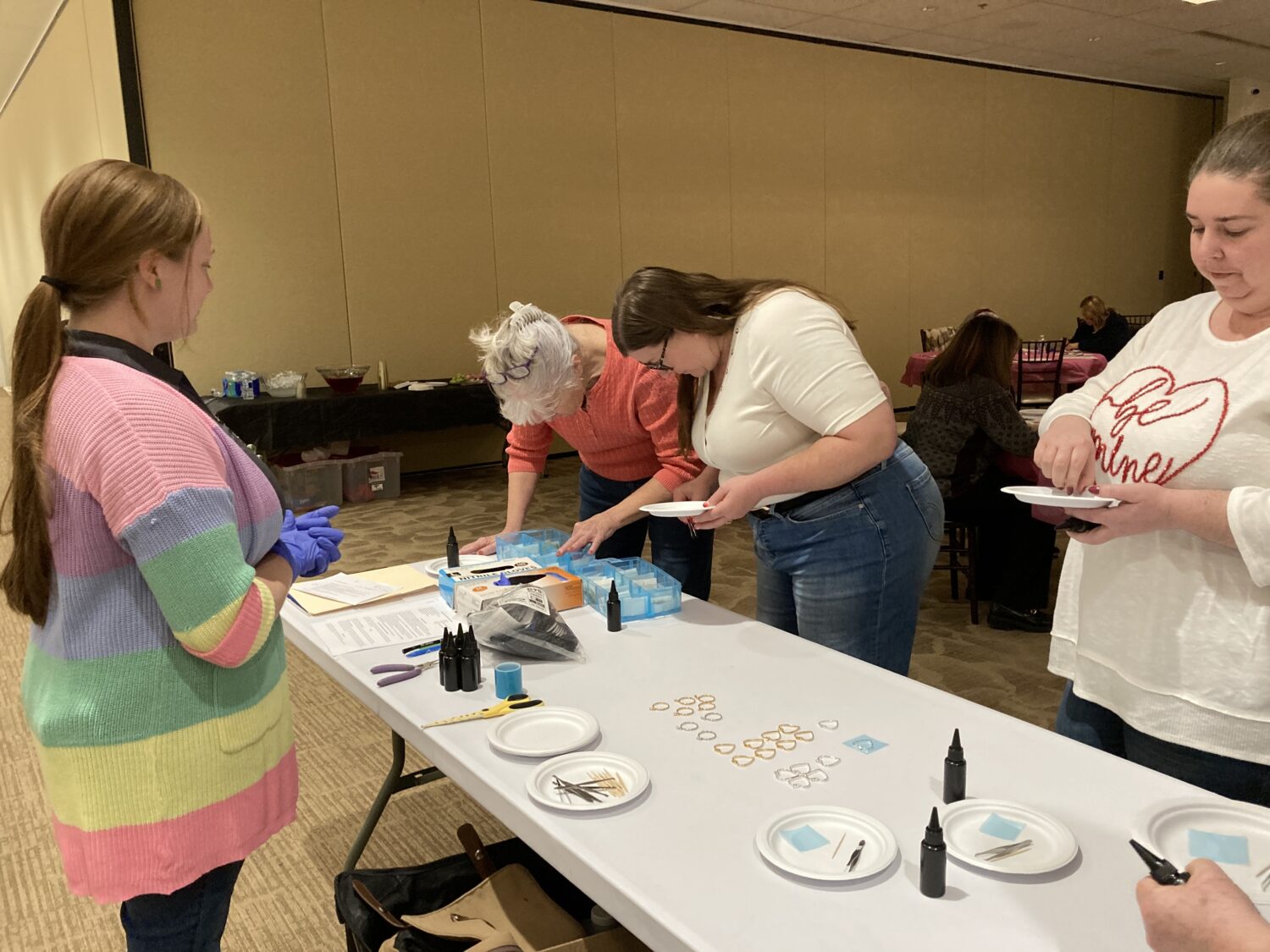
In February we collaborated with Kingwood Center Gardens and North Central Women Owning Woodlands (NCWOW) to offer a special Galentine’s Day event. Abigail Kent of Emerald Bee directed us on how to make beautiful woodland-themed resin jewelry pendants. They turned out beautiful! Katie Gerber and Karen Gotter of NCWOW told us about their organization, included fun tree facts and opportunities to win field guides, and sparked lively discussions. Plus, we had fantastic food and beverages!
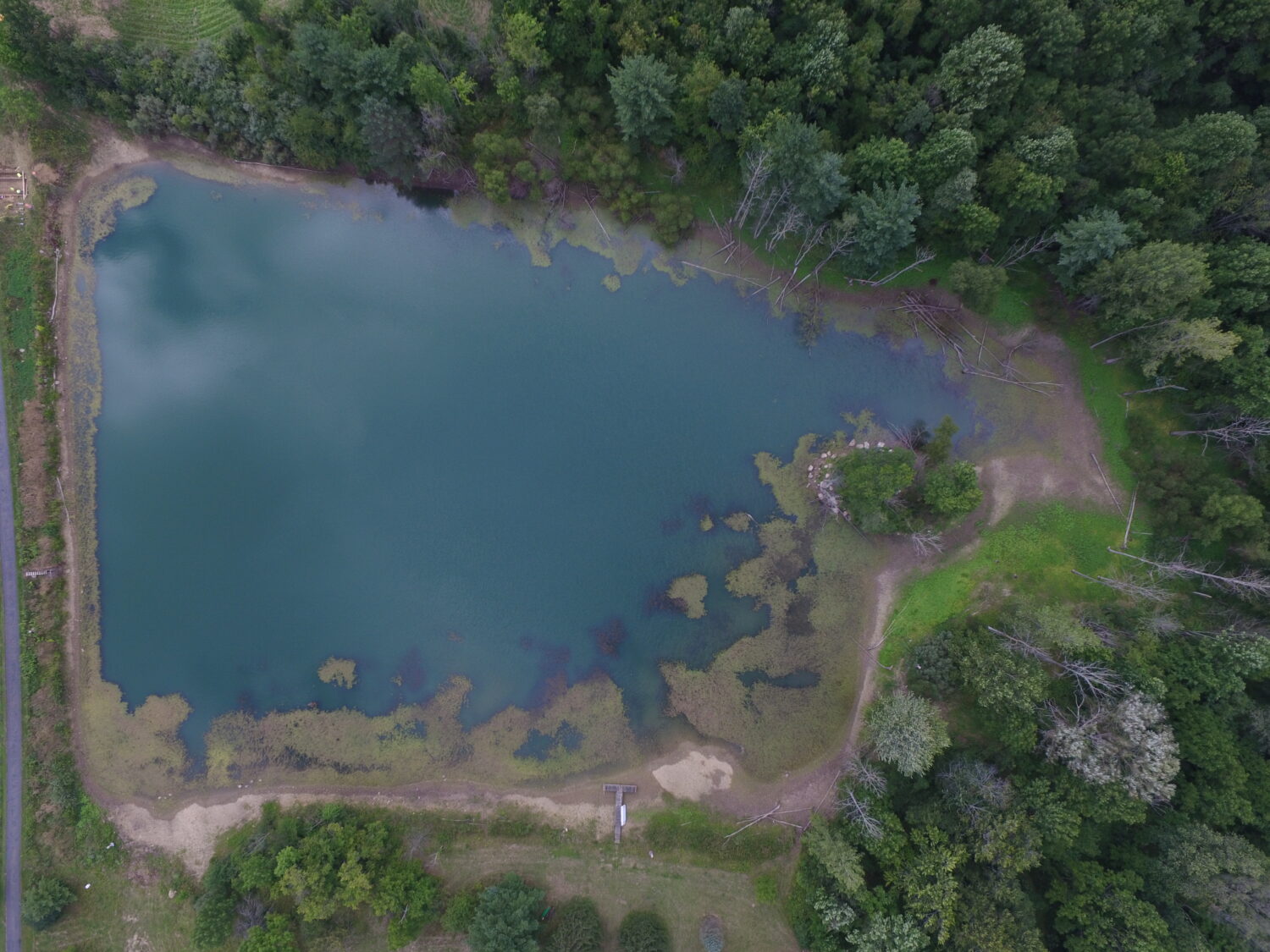
In March our thoughts turned to ponds and the annual pond fish sale. Both activities get us excited about the upcoming spring and summer seasons. Steve Fender of Fender’s Fish Hatchery is an expert on pond management and stocking a pond. He has an easy-going style and instead of a classroom format our Pond Clinic is a Question-and-Answer session. The informality encourages questions and discussion, and everyone has their questions answered. Sometimes we don’t always know what questions, so the Pond Clinic is especially beneficial to those who are considering a pond.
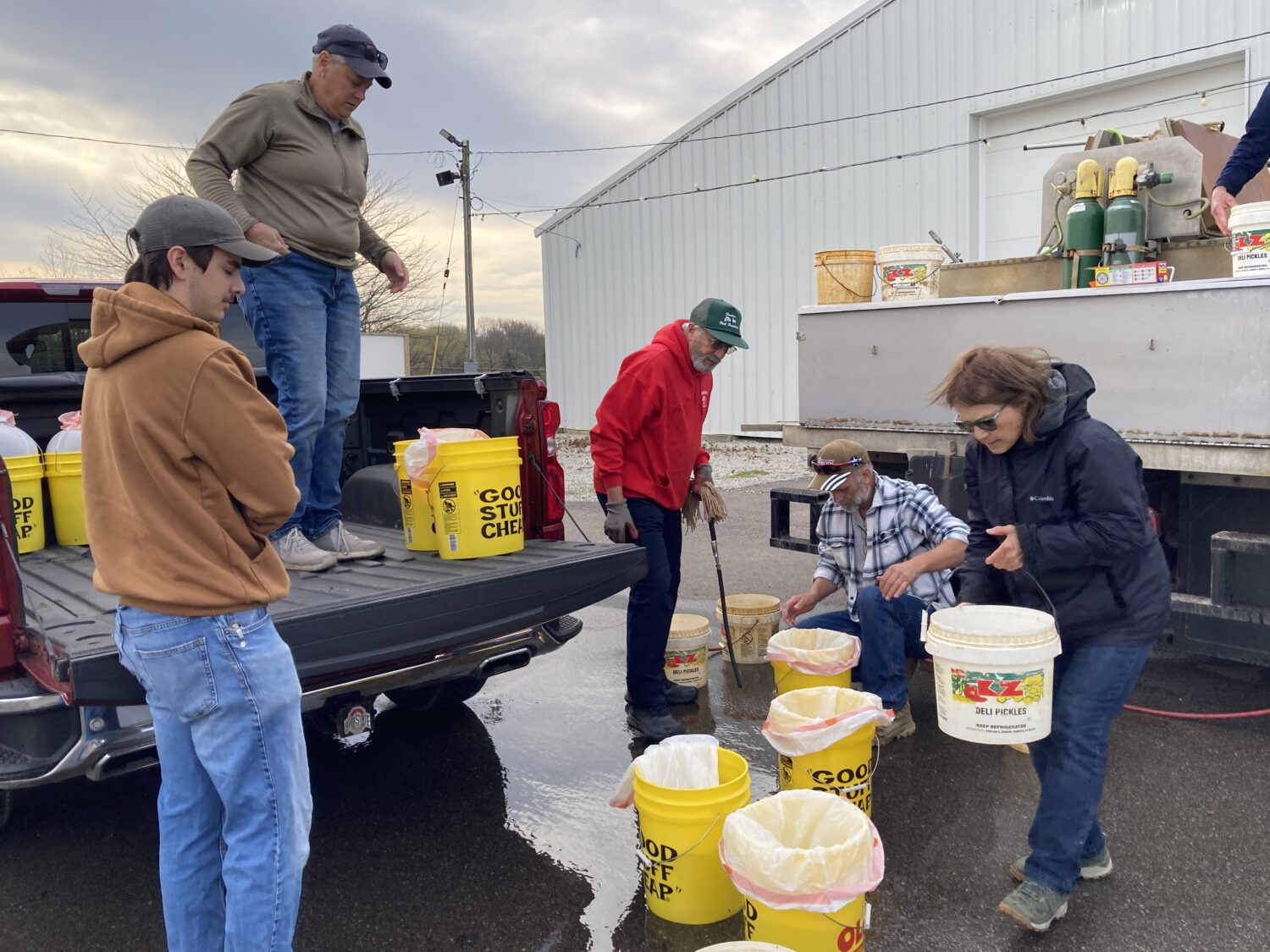
If you have a pond, one of the ways you might want to enjoy it is by stocking it with fish. Fishing is a wonderful way to bond with family and friends. One service we offer is the opportunity to purchase fingerling fish through our annual pond fish sale. Fender’s Fish Hatchery out of Baltic, Ohio brings up the “fish truck” (try to envision the old ice cream trucks with freezer sections for the different varieties of ice cream only each section is for a different fish species.) If you haven’t been to Baltic, it’s a beautiful drive, but a bit of a distance. The sale eliminates the drive so saves customers time and money. This year’s deadline to order was April 2 and the pickup was April 10 at the Richland County Fairgrounds. Watch our website and social media for next year’s sale.
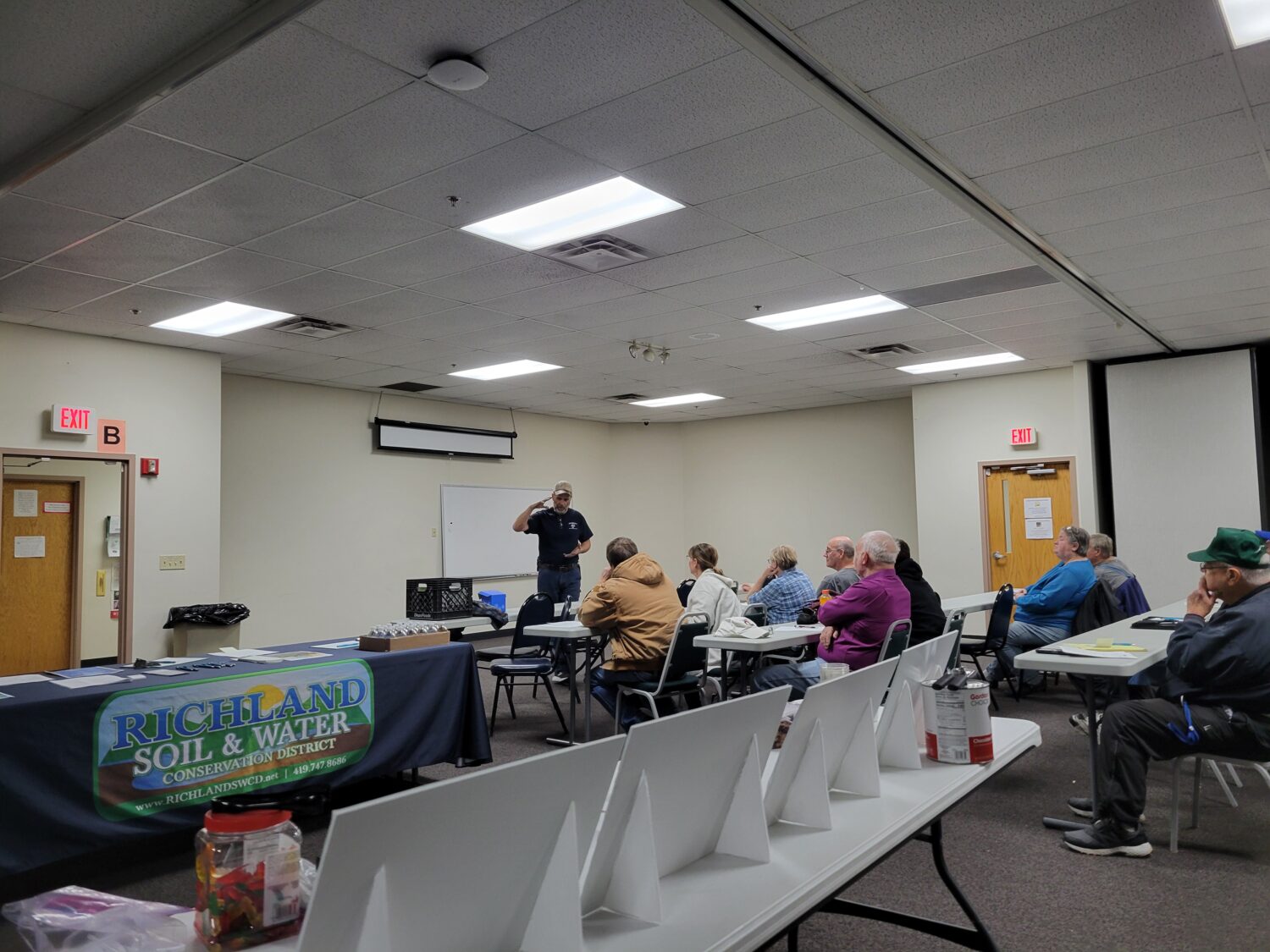
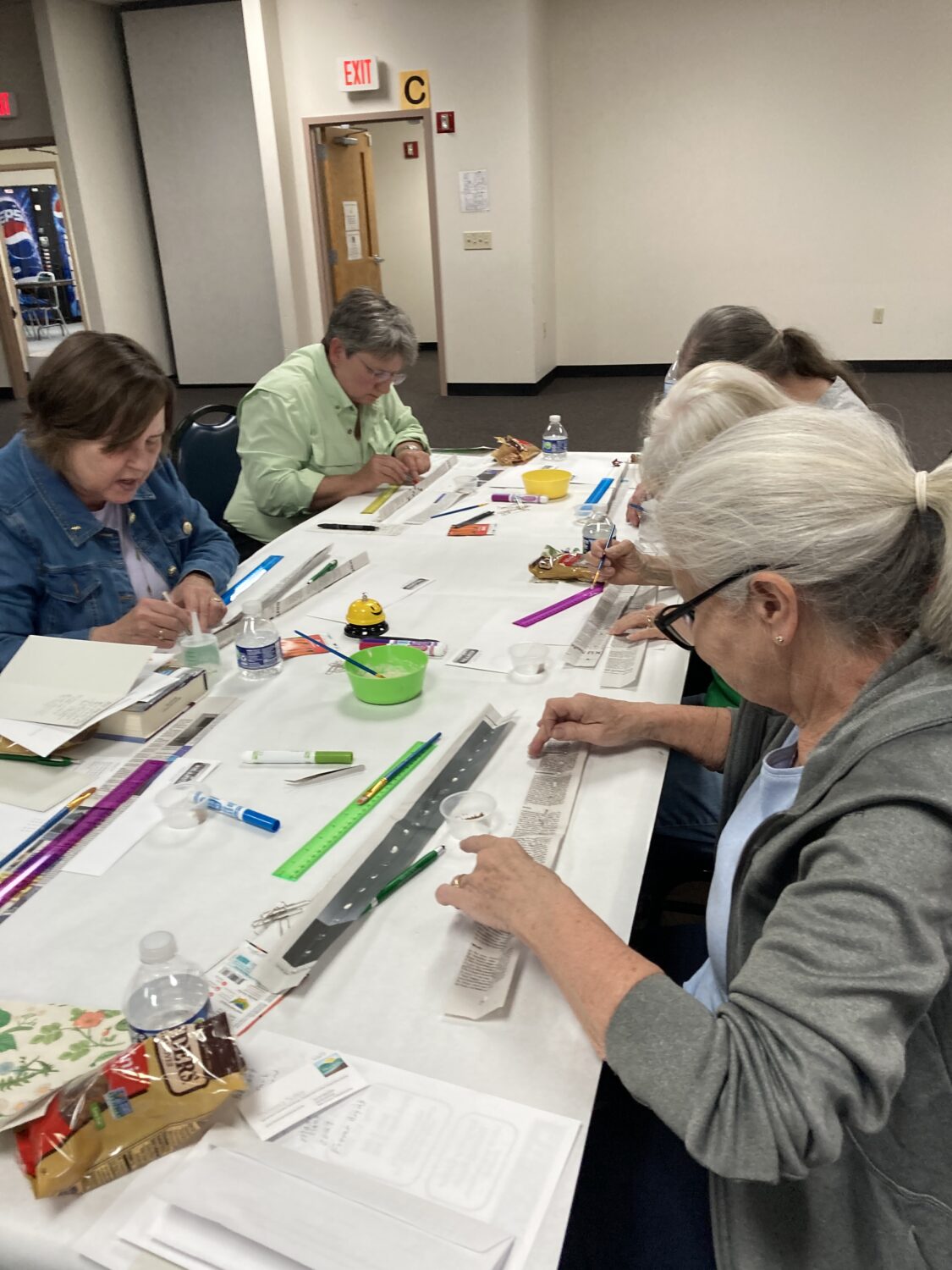
Our second Conservation Creation workshop was April 14. We made seed tape and Beth Brown, Ohio State University Master Gardener, was our guest speaker. She is a flower, herb, and vegetable gardener and shared her successes and challenges. At each workshop we have trivia with the theme of the evening’s topic, which was seeds. It’s amazing what you can learn while having so much fun!
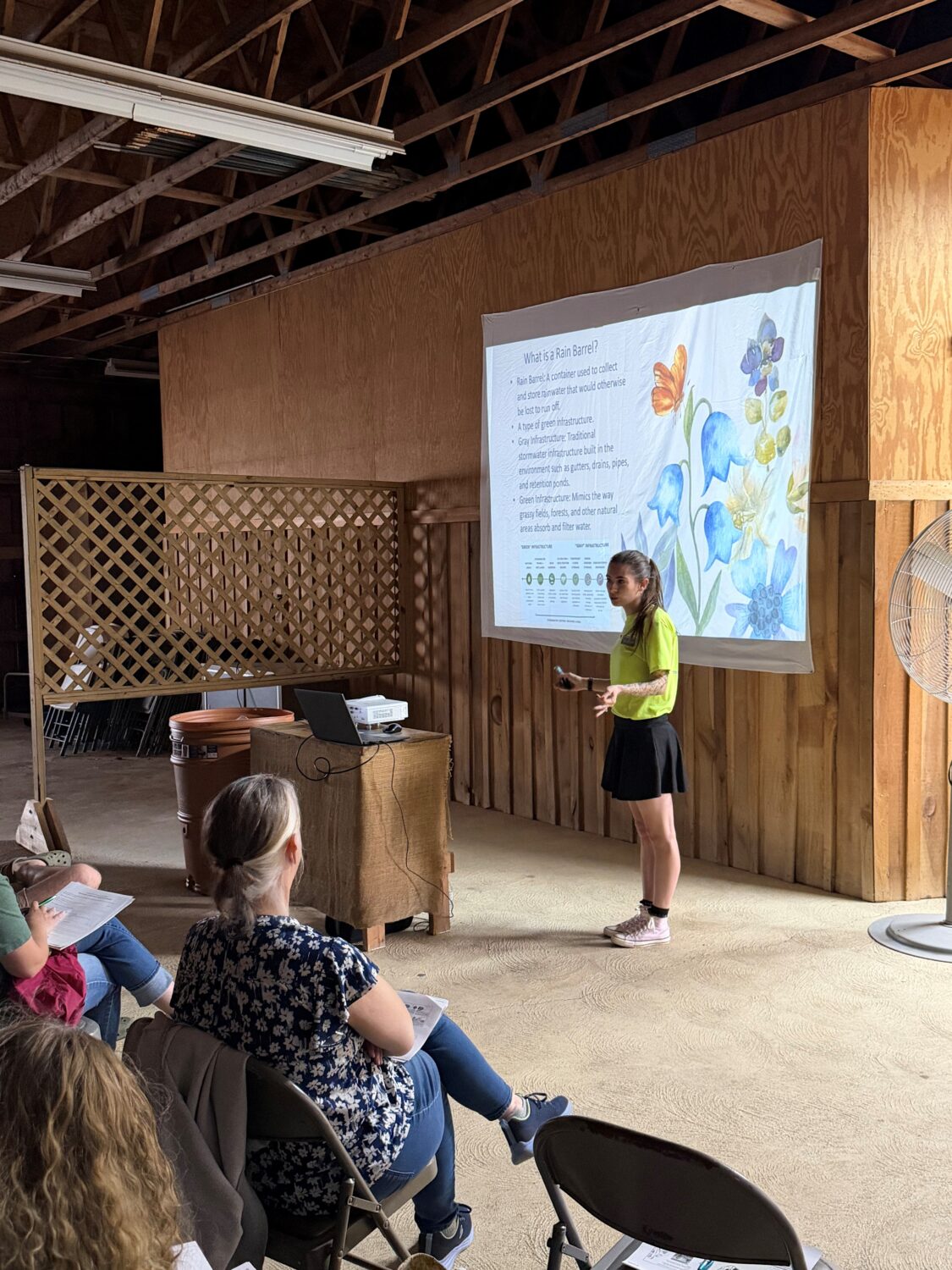
To help manage stormwater in a pretty and practical way, we recommend using Rain Gardens and Rain Barrels. Rain gardens are planted with native plants in a saucer-shaped garden that collects rain off roofs, driveways, or yards so plants are watered whenever it rains. Rain Barrels collect rain off roofs, too, and the water may be used to water gardens. The rain barrels we sell also have a lid that may be used as a planter and filled with pretty plants. Although Rain Gardens and Rain Barrels are attractive, they fulfill their primary purpose of preventing runoff, especially polluted runoff that is unfiltered and ends up in local waterways. To learn more about the benefits and purposes of Rain Gardens and Rain Barrels we held a workshop April 15 to a full house at the Richland County Fairgrounds Nature Park. As part of the workshop, we gave attendees a free Rain Garden guide to spark their imagination and interest.
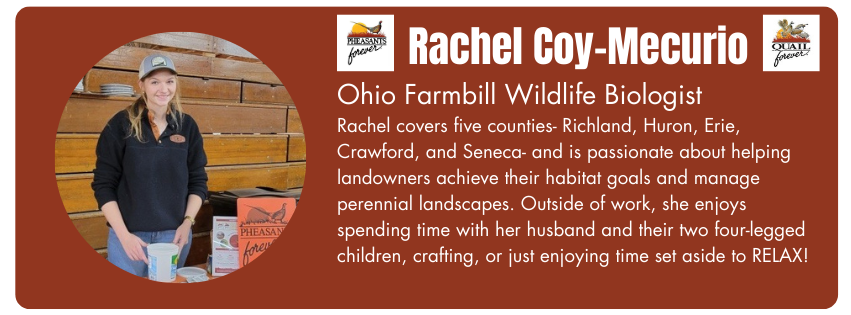
Our final spring event I want to highlight is our Native Plant Workshop Plus Sale on May 12 at our office building located at 1495 W. Longview Avenue in Mansfield. This is a free workshop where you can learn more about native plants, plus purchase them. Our guest speaker is Rachel Coy-Mecurio of Pheasants Forever and she’ll discuss pollinator habitat establishment and management at the 6 pm workshop. Native plants are available for purchase from 5 to 6 pm and briefly after the workshop. The Native Yard Project and Wild Acre will also have tables. Reserve your seat for the workshop at https://richlandswcd.net/event/native-plant-program-plus-sale/.
To find out about future events watch our website at https://richlandswcd.net/, our Facebook page at https://www.facebook.com/richlandswcd/ or Instagram page at https://www.instagram.com/richlandswcd/?hl=en.