By Zoe Baumberger
The first quarter of 2026 focused on behind-the-scenes administrative work to prepare not only for the year ahead, but for the 2026-2030 permit term. This included submitting our annual report to the Ohio Environmental Protection Agency and closing out a successful 2025. Sam and I also created a map of the post-construction BMPs we’ll be inspecting this permit term. It was a bit of an undertaking and we’re proud of the result. Another key focus of Q1 was developing goals for the new permit cycle. We plan to update our outfall maps and collaborate with partner organizations to create new opportunities for public education and involvement. We have clear goals for the next permit terms and are excited to see them come to fruition.
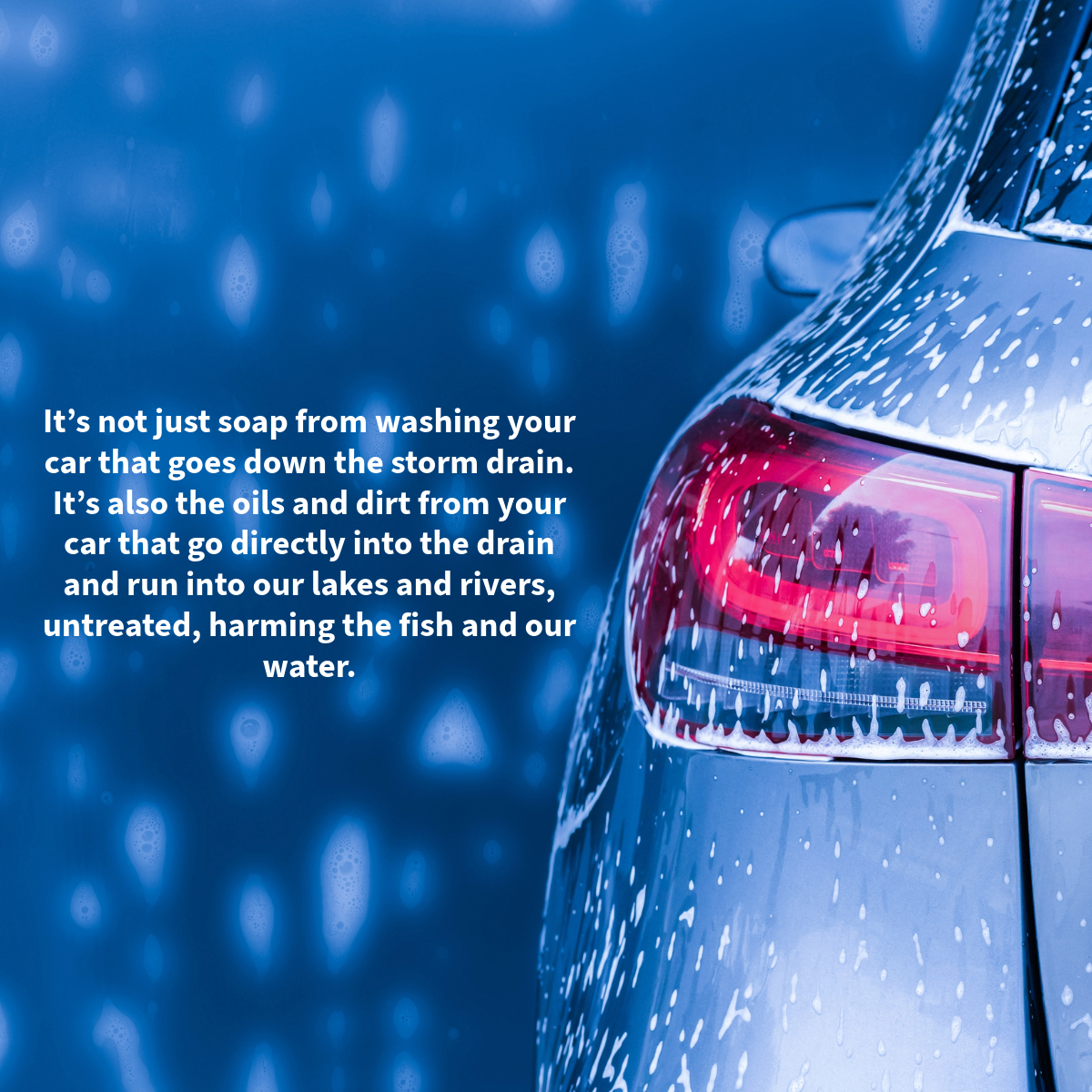
As spring arrives washing the winter salt off your car is a good maintenance practice. However, when you wash your car in your driveway or on other impervious surfaces, soap, oil, dirt, and salt can run off into storm drains. Runoff from vehicle washes can contain high amounts of nutrients, metals, and hydrocarbons that adversely affect aquatic ecosystems. What goes down the drain goes into the environment!
So what can you do to protect local waters?
- Go to a commercial car wash facility that treats wash water
- Use a biodegradable, phosphate-free, water-based detergent
- Limit the amount of detergent used
- Wash cars in the yard
- Direct wash water to pervious areas like grass or gravel
- Use a car wash kit to protect nearby storm drains from wash water
Together we can ensure that only rain goes down the storm drain! Learn more about green vehicle maintenance and car washing here: https://www.epa.gov/system/files/documents/2023-01/bmp-vehicle-maintenance-and-washing.pdf