Field Nutrients & Floodplains

Guidance on applying nutrients to farm fields and working in a floodplain.

By Matt Wallace

Field Nutrients and You

Application of nutrients prior to planting is common and may be seen throughout farm fields in Richland County. It is recommended that nutrients be placed on your field and tilled into the soil before you plant. If that can’t be done, apply nutrients once the crop begins to grow. Both options allow for the biggest return on your investment (fuel, time, wear and tear on equipment) and the best chance for waterways to not be polluted.

Placing manure on snow covered, frozen, or rain-saturated ground is discouraged. Nutrients produced on your farm or brought in from other sources can readily leave your farm fields through melting snow or saturated soils.  A good rule of thumb is to not apply nutrients when there is a chance of a half inch of rain or more. Winter applications are only recommended if there isn’t any more manure storage space available. In that case, only apply enough to free up the amount of storage space needed.

Additional best management practices include looking for tile blowouts and fixing them before nutrient application. During drier times when soil may be deeply cracked, utilize a tillage implement to close the soil cracks and keep nutrients from directly accessing field tiles.

Setbacks are highly recommended by the Ohio Department of Agriculture (ODA) to keep your nutrients on fields. The recognized setback standards to follow may be found in the United States Department of Natural Resources Conservation Service (USDA-NRCS) 590-CSP-1 document. Click on the link below to access the document, pick up a copy in our office, or request it be emailed. https://www.nrcs.usda.gov/resources/guides-and-instructions/nutrient-management-ac-590-conservation-practice-standard

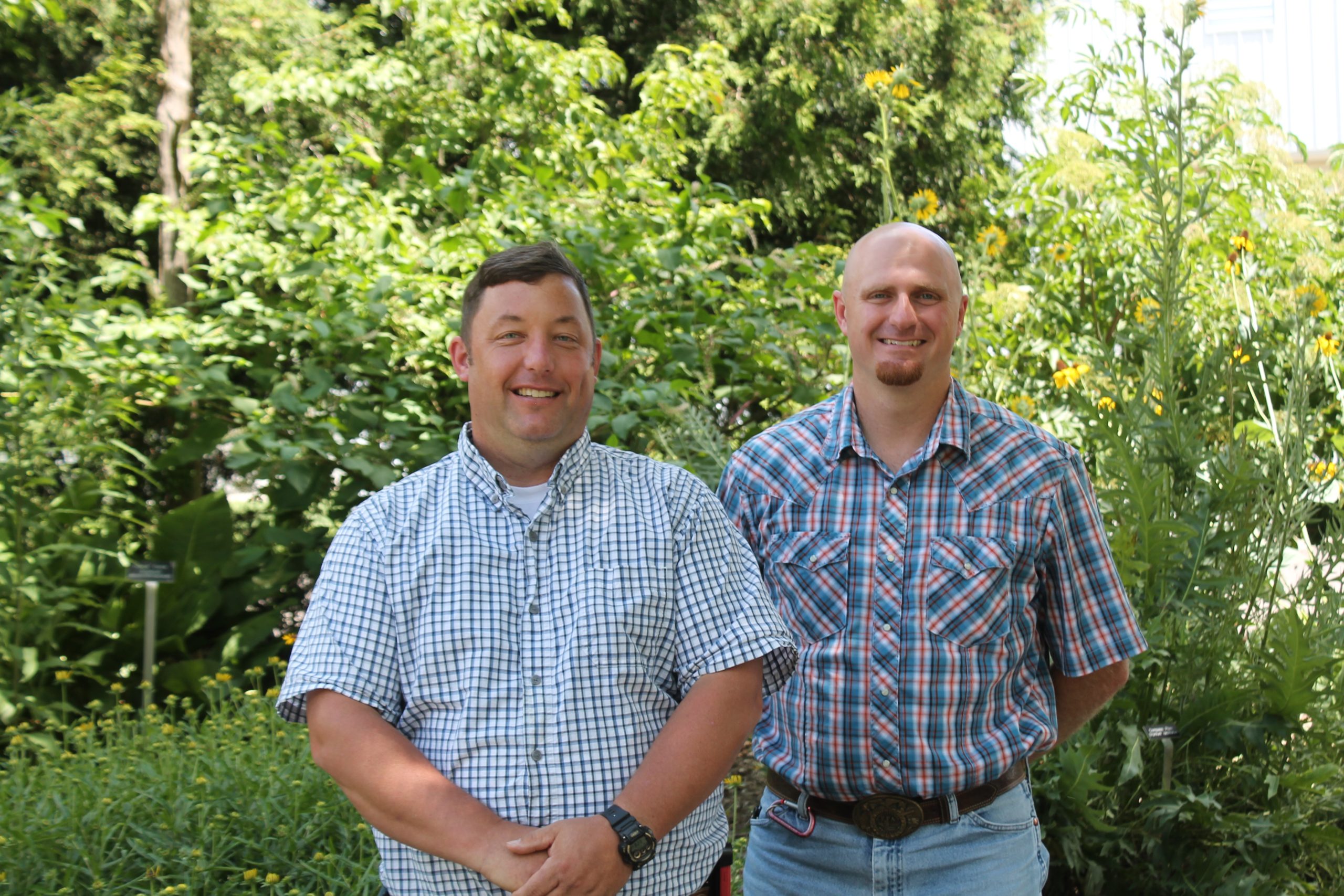
Frozen farm field covered in snow. Corn stalks are poking through the snow.
Richland SWCD photo

Floodplain 101

What is a floodplain? A floodplain is an area adjacent to a river, stream, or low-lying area that is adjacent to another water body that becomes overwhelmed with water during times of heavy and/or prolonged rainfall or when snow melts. Typically, these areas contain soils that are nutrient rich and identified as being hydric, or very wet.

How are floodplains and maps determined?  These unique areas are determined by multiple factors such as topography, soils, proximity, engineering, historic floods, and photographs of historic floods.

Floodplain maps, officially known as Flood Insurance Rate Maps (FIRM), show areas of high, moderate, and low-flood risk which are shown as series of zones. Communities use maps to set minimum building requirements for coastal areas and floodplains; lenders use them to determine flood insurance needs and costs.

Filling and building within the floodplain may come with many challenges which may be costly. Additional requirements for building in a floodplain may include but is not limited to hydraulic/hydrologic studies, additional permits, elevation of entire structures, and additional compaction. These construction standards can influence decisions like “Should I build here? or Should I purchase this property?”.

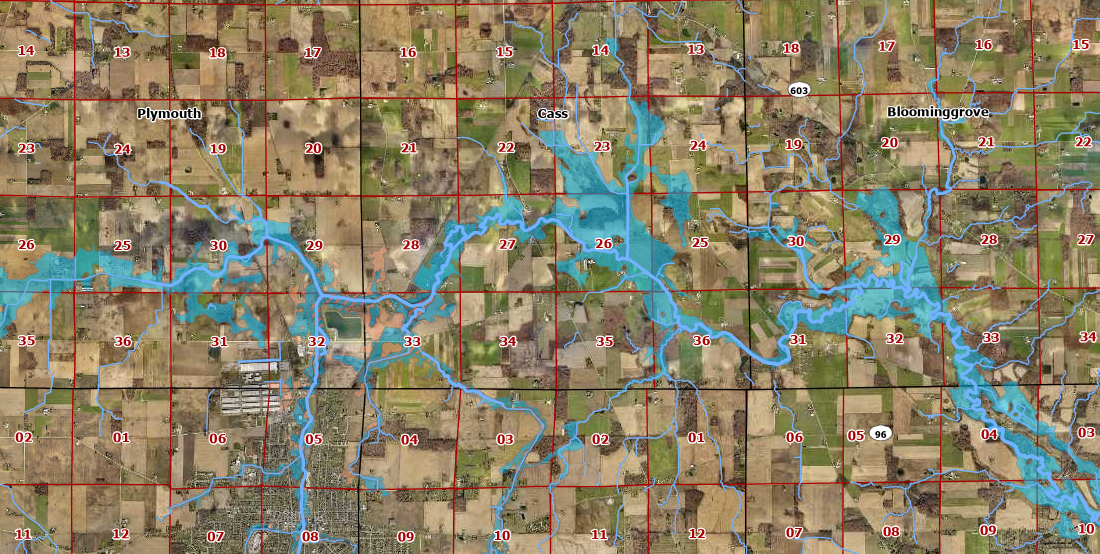
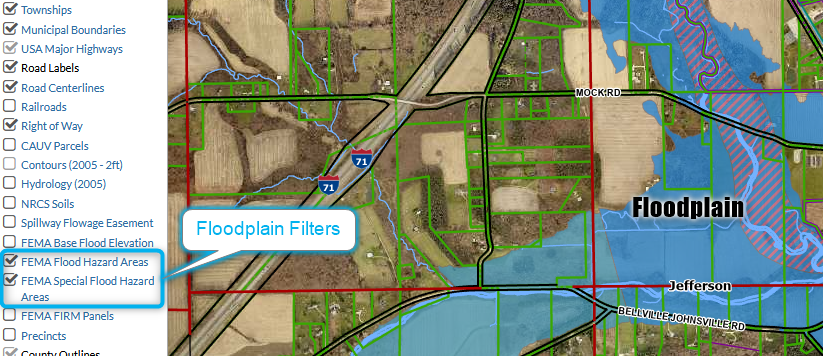
Screenshot of floodplain map from auditor's site showing floodplain areas in blue in the northern part of Richland County.
Floodplain layer on the county auditor’s site. Flood zones are in blue.

Each municipality and community has a set of Federal Emergency Management Agency (FEMA) approved regulations for their communities designed to help improve the safety of a community’s residents and plan future development. Regulations vary within Richland County due to each municipality adopting their own regulations.  Check the regulations of the municipality under consideration before purchasing or developing property.  Richland Soil and Water Conservation District serves as the Floodplain Administrator and Floodplain Manager for Richland County.  We encourage you to reach out to us before purchasing or developing a property.

For a location of the flood zones in Richland County, visit  https://msc.fema.gov/portal/home.


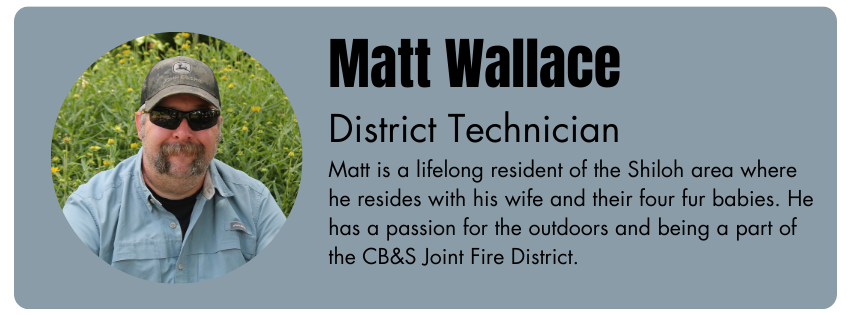
Photo of Matt Wallace, District Technician. His bio reads "Matt is a lifelong resident of the Shiloh area where he resides with his wife and their two fur babies. He has a passion for the outdoors and being a part of the CB&S Joint Fire District."

Cover Crops at Work

ODA cover crop demonstration update!

By Jordan Keller

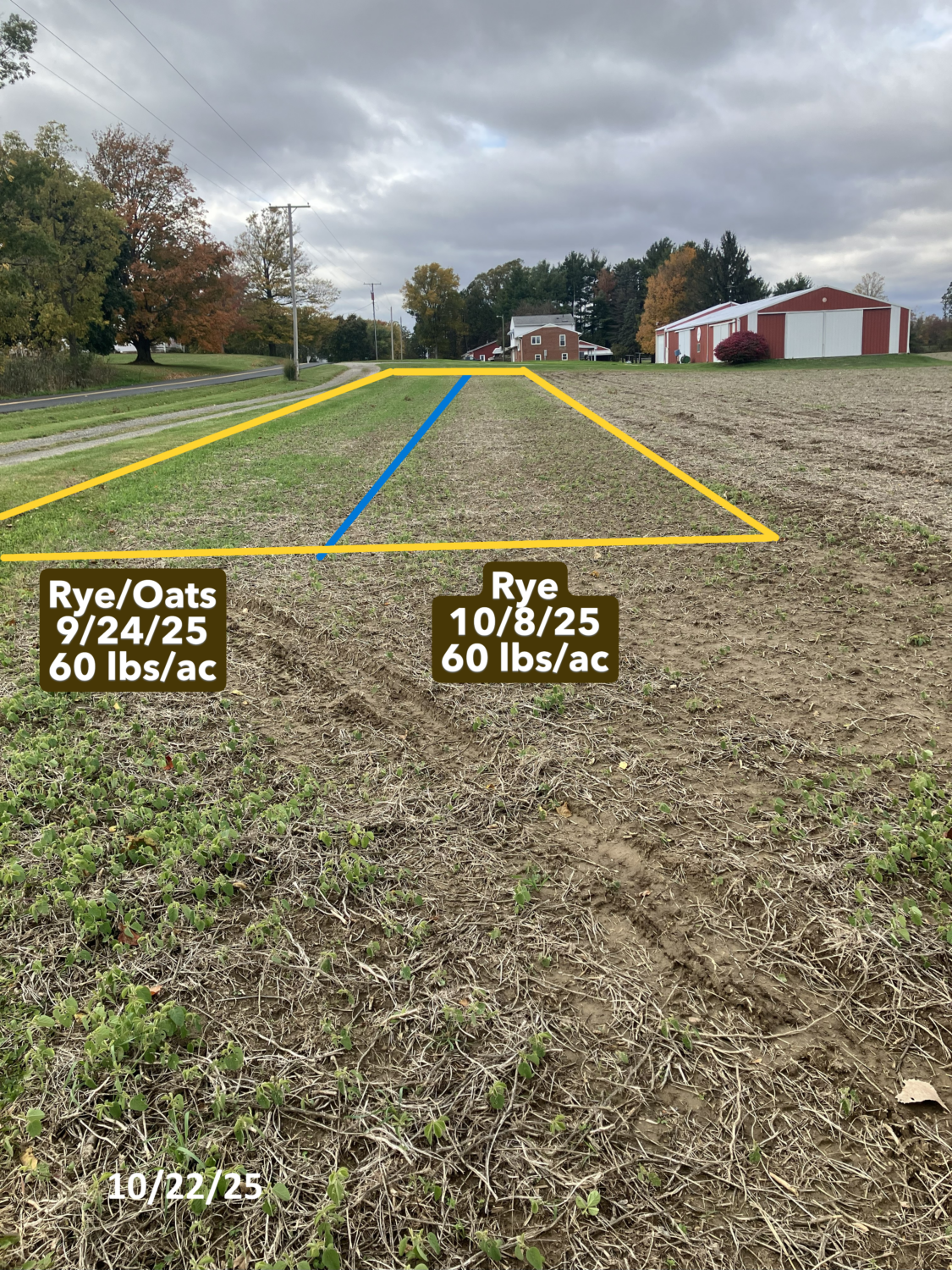
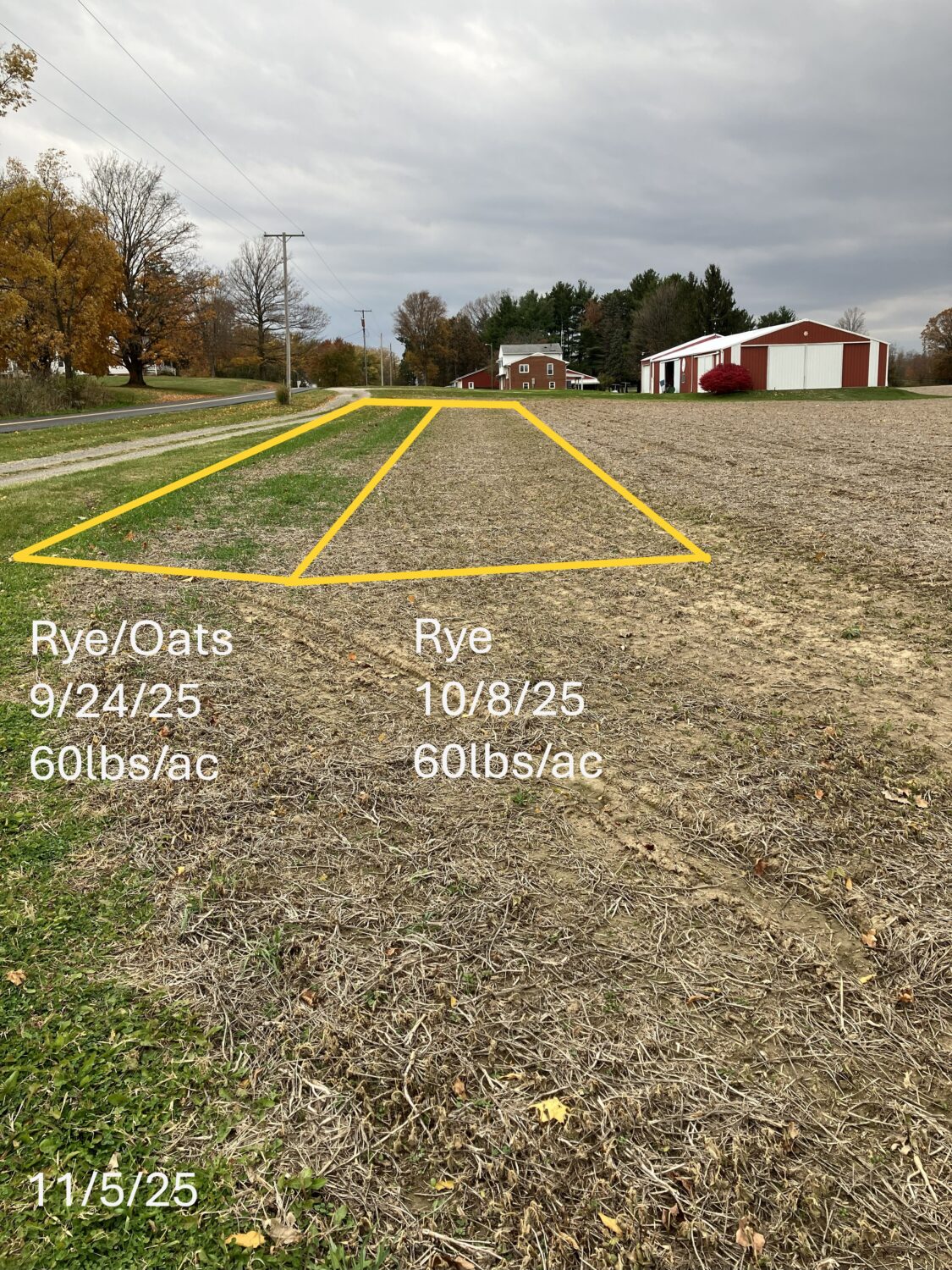
With assistance from the Ohio Department of Agriculture and cooperation from a local producer, Richland SWCD installed two overwintering cover crop demonstration plots after the harvest of a soybean crop in Fall of 2025. Following harvest, the field was lightly tilled by the producer to allow for better seed-soil contact. On September 24, 2025, we broadcast a rye/oat cover crop mix at a rate of ~60 pounds per acre (lbs/ac) across 0.1ac of the lightly tilled farmland. Then on October 8, 2025, we broadcast a rye-only cover crop at ~60lbs/ac on a 0.1ac plot directly adjacent to the first plot. The plots were monitored bi-weekly until going dormant at the end of November. The following is what we’ve observed so far:

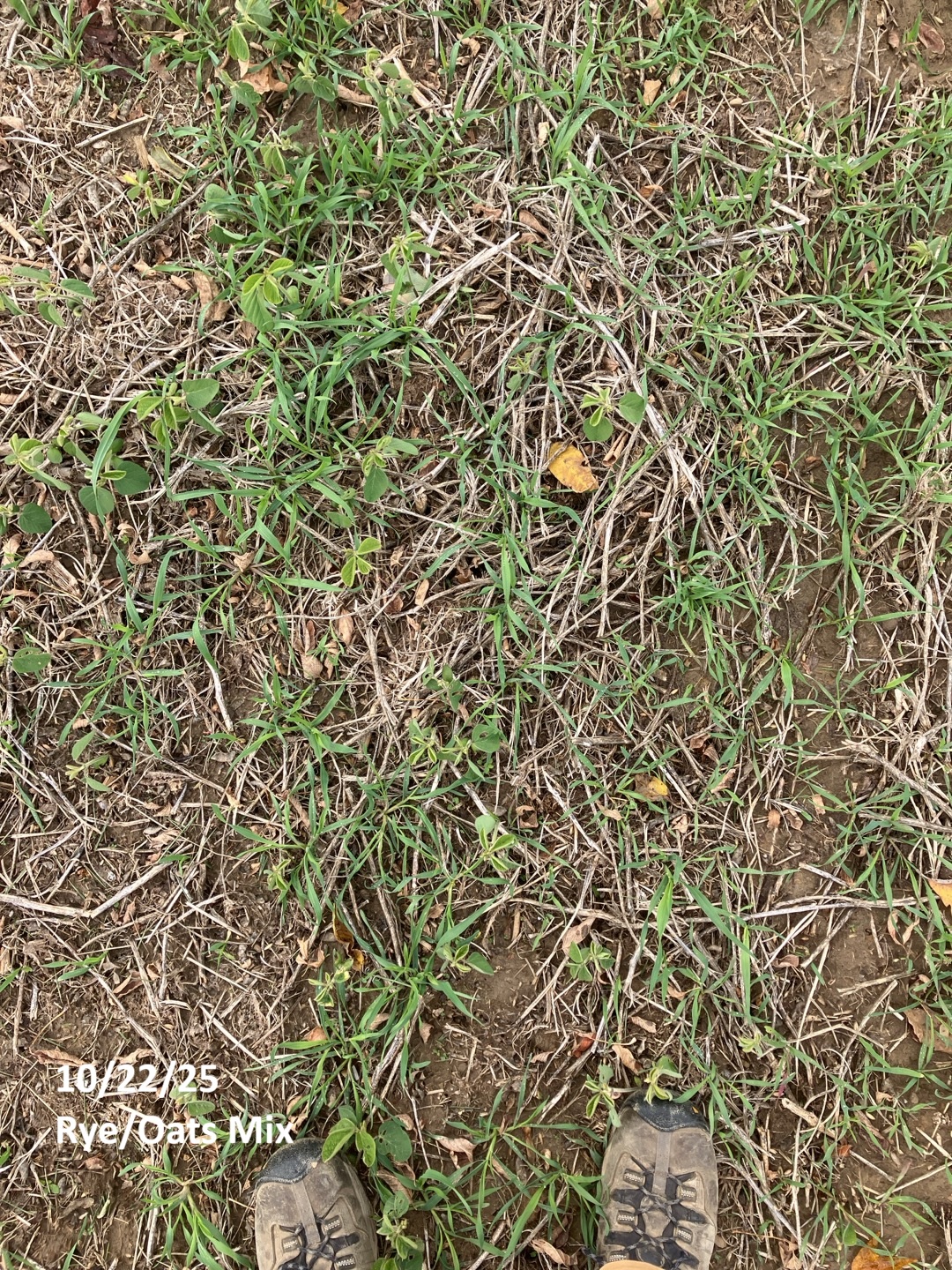
  • We initially had some volunteer soybeans act as a cover crop while our first planting of rye/oats got established. The volunteer soybeans died back after the first hard frost.
  • The rye broadcast on Oct. 8 did not germinate well and that plot is sparsely covered as a result.
  • Going into dormancy, the rye/oats plot had an estimated coverage of 44% with average height of the rye grass around 7 inches. It does not appear that the oats germinated. The rye-only plot had an estimated coverage of 2% with an average height of 2 inches headed into dormancy.

We will revisit the plots this Spring as they come out of dormancy and continue our biweekly monitoring until the cover crops are terminated. For cover crop rates and seeding dates reference NRCS appendix A. The goal of the demonstration is to gain a better understanding of the overall impact of NRCS appendix A (download below) cover crop seeding dates and rates across Ohio.


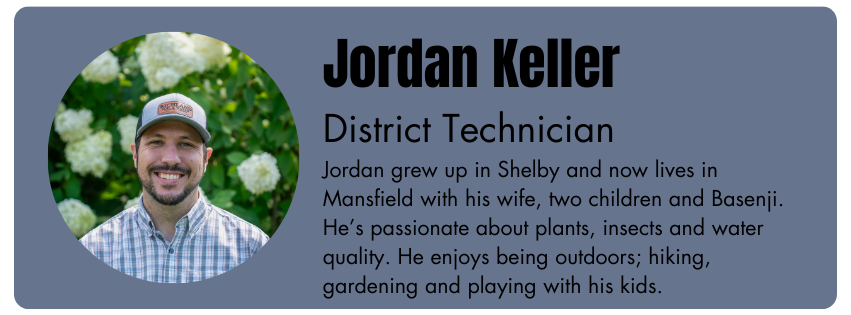
Photo of Jordan Keller, District Technician. His bio reads "Jordan grew up in Shelby and now lives in Mansfield with his wife, two children and Basenji. He’s passionate about plants, insects and water quality. He enjoys being outdoors; hiking, gardening and playing with his kids."

Growing Participation, Growing Impact: H2Ohio Fall Update

Enrollment data for Crop Years 2026-2027 and announcing our new cover crop demonstration plot with assistance from ODA!

By Jordan Keller

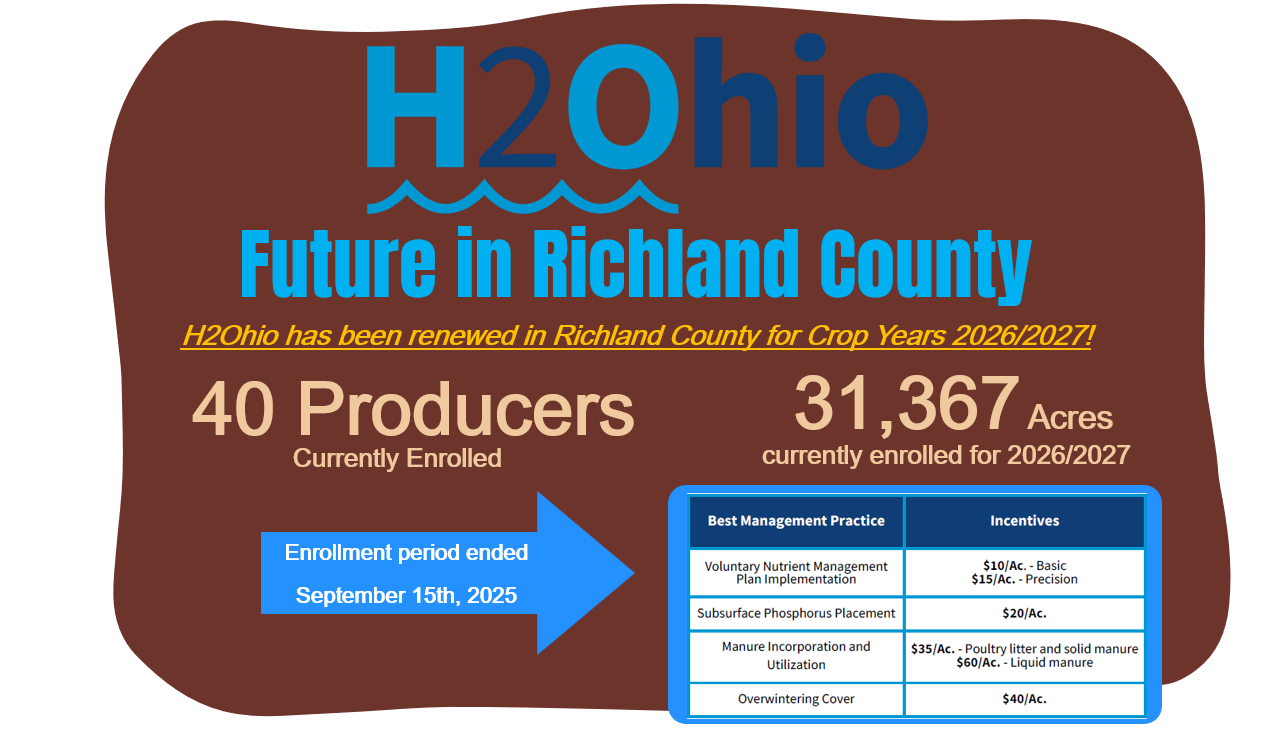
Happy Harvest Season! The deadline for H2Ohio participation in Crop Years 2026-2027 was September 15th, 2025. I am pleased to report that we have enrolled 40 producers with 31,367.8 acres through the Richland SWCD office. This is roughly a 45% increase from initial acreage enrollment numbers in 2021! Approximately 2,800 acres were added on the September 15th deadline, making for a sprint to the finish line.

Next, we will be working with crop advisors and ag retailers to develop our H2Ohio participants 2026/2027 nutrient management plans by uploading soil test data and cropping information onto the MyFarms platform.

I am currently working on wrapping up 2025 H2Ohio practice verifications as we make the transition to the 2026/2027 contracts.

Graphic with H two Ohio enrollment data. 40 producers are enrolled equating to 31,367 acres of land.

ODA Cover Crop Demonstration Plot

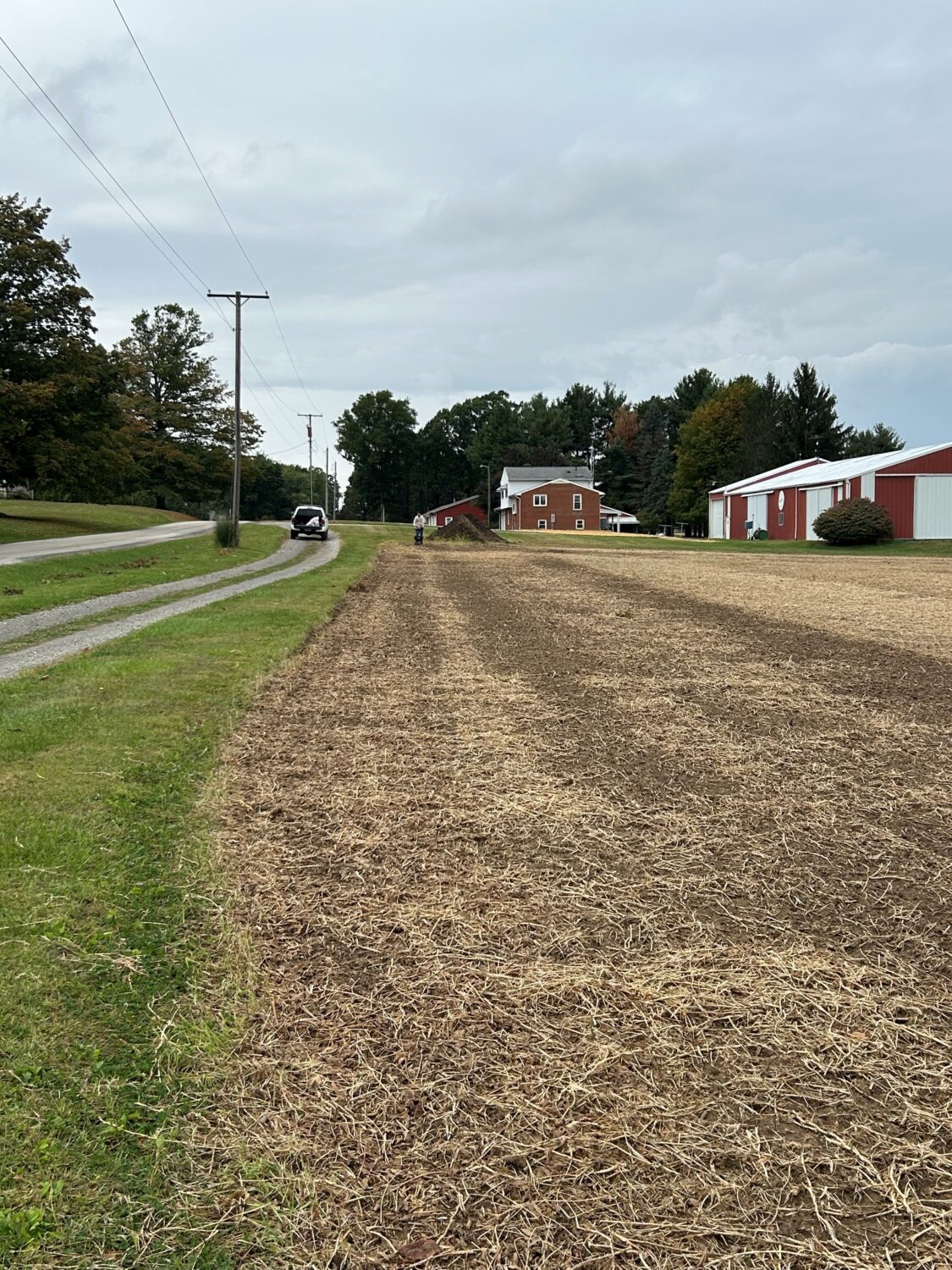
With assistance from ODA and cooperation from a local producer, Richland SWCD will be doing a cover crop demonstration plot after harvest in 2025. We plan on hitting two cover crop seeding windows across an ~25’ x 350’ area. The first seeding window started on Sept. 21. On Sept. 23rd we broadcasted a rye/oat mix.

Between Oct. 4– Nov. 1 we will be broadcasting straight rye. Cover crop rates and seeding dates reference NRCS appendix A. The goal of the demonstration is to gain a better understanding of the overall impact of NRCS cover crop seeding dates across Ohio.

Jordan walking through a field broadcasting rye and oat seeds with a hand spreader.
Jordan broadcasting rye and oat seeds
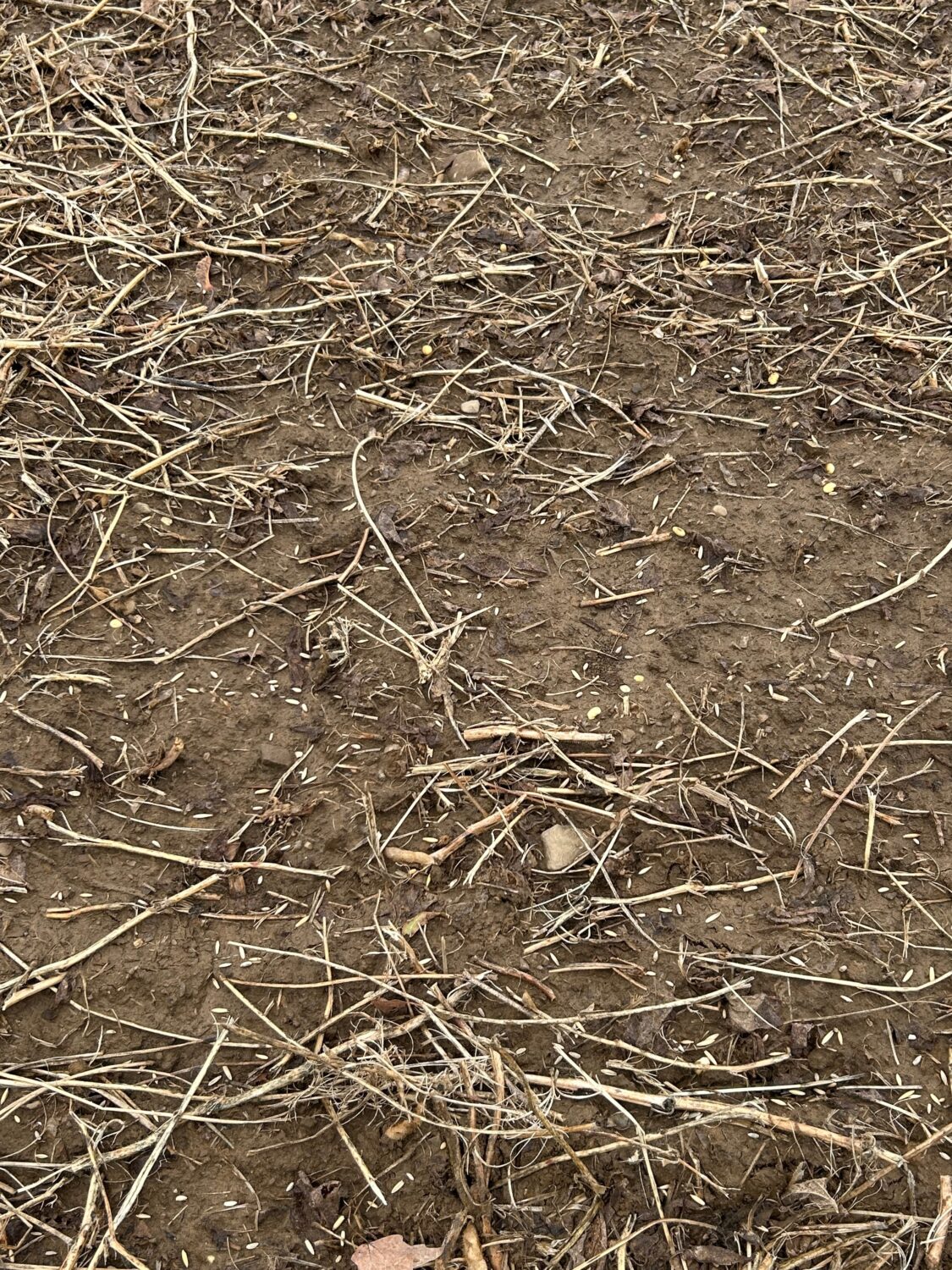
Close up of the field freshly sown with rye and oats.
Sowed rye and oat seeds
Photo of Jordan Keller, District Technician. His bio reads "Jordan grew up in Shelby and now lives in Mansfield with his wife, two children and Basenji. He’s passionate about plants, insects and water quality. He enjoys being outdoors; hiking, gardening and playing with his kids."

H2Ohio Guidance for Cover Crops and Contract Renewal

Enrollment for CY26/27 is still open!

As the 2025 planting season is (hopefully) winding down, we’re also winding down on our 2025 practices. This will ultimately bring our first multi-year H2Ohio contracts to an end. If a producer is interested in continuing with the program in 2026/2027, there is some important information regarding cover crops after 2025 harvest. There are a couple of options/scenarios to consider:

  1. If planning cover crops this fall for your current H2Ohio contract but you do NOT want to re-enroll for Crop Years 26/27 (CY26/27): You don’t need to do anything other than let Jordan know you won’t be participating in H2Ohio for CY 26/27.
  2. If you’re planning cover crops this fall and you plan on enrolling in H2Ohio for Crop Years 26/27: Let Jordan know. We’ll need to do a termination agreement after all other 2025 practices have been completed. This will cancel the cover crop practice for CY25 on your existing H2Ohio contract and we’ll enroll those fields for a CY26 Cover Crop under the new H2Ohio contract for CY26/27.

The benefit of doing things this way: The existing contracted payment for an overwintering cover crop is $25/acre. That same ground going into a cover crop this fall on a CY26 contract will pay $40/ac for cover crops on the same date you’d expect to start seeing payments go out on an existing contract CY25 cover crop (i.e. after March 15, 2026). A difference of +$15/ac for the same ground paid at the same time you would have received a CY25 cover crop payment.

Crop Year 2026/2027 Manure Update

2026/2027 Manure Incorporation & Utilization

If you’re planning on enrolling in the manure incorporation & utilization practice for CY26/27, there have been some changes from the current contract’s practice standard for manure incorporation. The practice is now called manure incorporation & utilization and has added ways for no-till operations to receive a manure utilization payment. Please take a look at the practice standard on our website or contact Jordan for a copy if you’re considering manure incorporation/utilization in CY26/27.

Signups for H2Ohio Crop Years 2026/2027 (CY26/27) Continue Through Early August

The application for H2Ohio CY26/27 is available now on our website. You can also email Jordan for a copy or with any questions about the program.

Contracts for CY26/27 will start rolling out in late August 2025.

Please submit your application and begin gathering the following information for nutrient management planning and development on the MyFarms platform:

  1. Up-to-date soil test information (i.e. 4 years old or newer). For CY 2026 soil test information from 2022-on are acceptable, for CY 2027 soil tests from 2023-on are acceptable.
  2. Planned crop types for CY26/27.
  3. Field maps for the eligible ground you’re interested in enrolling in H2Ohio (or field boundary files from your CCA or agronomist.)
  4. Prescriptions or fertility plan for CY26/27.

*The soil test data, crop rotations, field boundaries/maps and fertility plan aren’t required to be submitted with the application, however, this information will need to be submitted prior to the contracting period coming August 2025.

Also available on the website are the practice standards and work plans for CY26/27. The practice standards are the minimum requirements that producers need to meet in order to receive payment for completing the practices. Work plans were designed to help producers successfully implement the practices.

If you’re interested in enrolling in H2Ohio for Crop Years 2026/2027, please submit your application as soon as possible. There is an enrollment cap of 800,000 total acres in the Western Lake Erie Basin (WLEB) program area with the 2026/2027 contracts.

As a reminder, Richland County is on the WLEB H2Ohio schedule meaning acres in the following counties will be eligible to enroll through our office for crop years 2026/27: Crawford, Erie, Huron, Marion, Ottawa, Richland, Sandusky, Seneca, Shelby, & Wyandot.

If you have any questions about the program or application, please do not hesitate to contact Jordan.
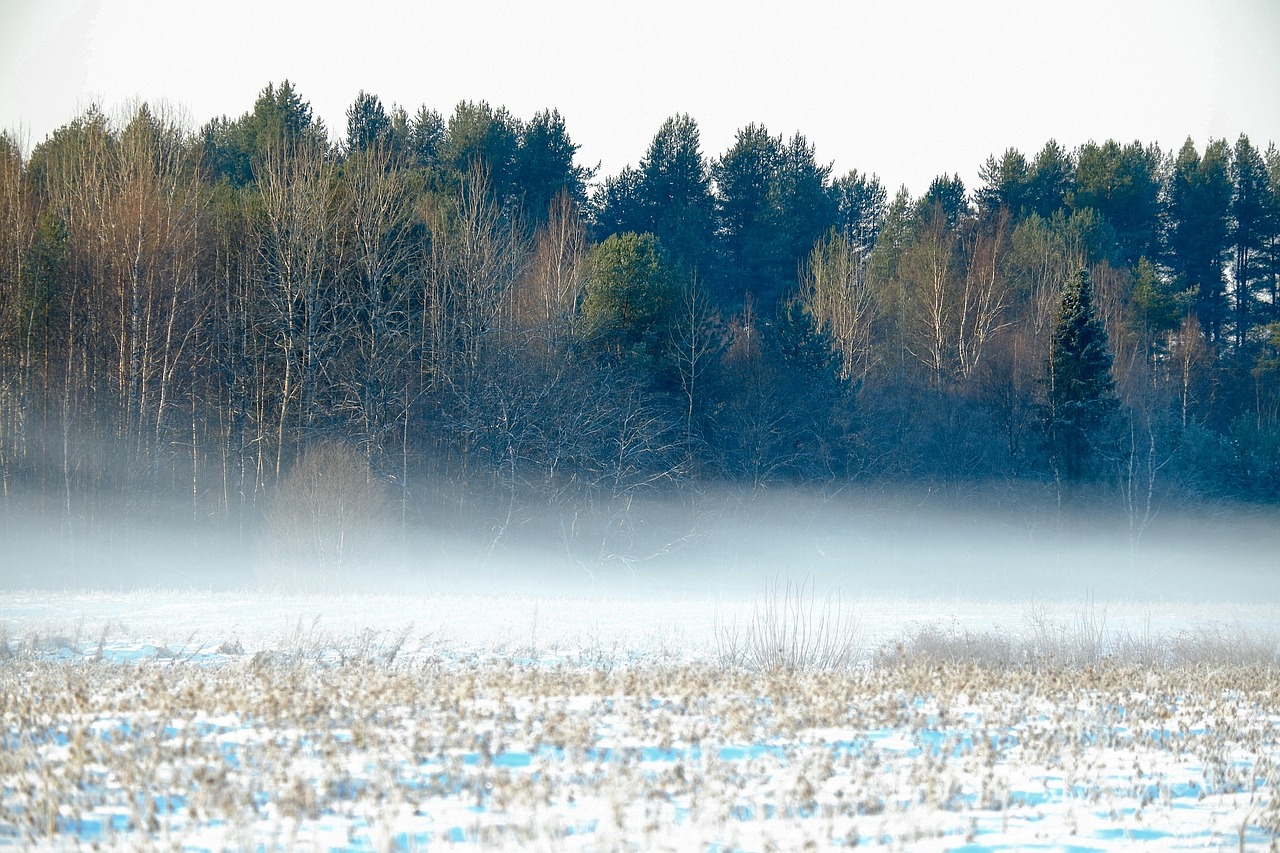
Photo of Jordan Keller, District Technician, His bio reads "Jordan lives in Mansfield with his wife and their baby girl (who has Jordan wrapped around her finger). He likes plants, bugs, and the outdoors."

H2Ohio Sign-ups Open for Crop Years 2026/2027

Enroll now!

Sign-ups for H2Ohio Crop Years 2026/2027 (CY26/27) have officially begun! The application for H2Ohio CY26/27 is available now on our website. Contracts will roll out in late summer/early fall 2025. Please submit your application and begin gathering the following information for nutrient management planning and development on the MyFarms platform:

  1. Up-to-date soil test information (i.e. 4 years old or newer). For CY26 soil test information from 2022-on are acceptable, for CY27 soil tests from 2023-on are acceptable.
  2. Planned crop rotations for CY26/27.
  3. Field maps for the ground you’re interested in enrolling in H2Ohio (and/or Field boundary files from your cca or agronomist).
  4. .If you want to get ahead of the game: prescriptions or fertility plan for CY26/27.
H two ohio logo.

Also available on the website are the practice standards and work plans for CY 26/27. The practice standards are the minimum requirements that you’ll need to meet to receive payment for completing the practices. Work plans were designed to help producers successfully implement the practices. If you’re interested in enrolling in H2Ohio for Crop Years 2026/2027, please submit your application as soon as possible. The soil test data, crop rotations and maps aren’t required to be submitted with the application, however, this information will need to be submitted prior to the contracting period coming late summer/early fall 2025.

Richland County is still on the Western Lake Erie Basin (WLEB) H2Ohio schedule meaning land in the following counties will be eligible to enroll through our office for crop year 2026/2027: Crawford, Erie, Huron, Marion, Ottawa, Richland, Sandusky, Seneca, Shelby, & Wyandot.

If you have any questions about the program or application, please do not hesitate to contact Jordan at Keller.Jordan@RichlandSWCD.net or 419-747-8688.

Photo of Jordan Keller, District Technician. His bio reads "Jordan lives in Mansfield with his wife and their baby girl (Who has Jordan wrapped around her finger). He likes plants, bugs, and the outdoors."

H2Ohio Program Updates: Important Reminders

Make sure you’re meeting H2Ohio deadlines!

H2Ohio Reminders

We’ve met with all of our current participants in the H2Ohio program and have been gathering the necessary information to verify crop year 2024 practices.

  • 2024 Nutrient Management Documentation: If you have any outstanding documentation needed to complete crop year 2024 nutrient management, please get it to us as soon as possible.
  • DEADLINE: January 31 – Last day to turn in information for 2024 Cover Crops/2024 Small Grain maps/locations: We have set a strict deadline for gathering cover crop and small grain establishment locations – January 31, 2025. Please provide us with planting maps or field names/locations by this date. This includes new producers to the program for crop year 2025 who planted overwintering cover crops by November 1, 2024.
  • DEADLINE: March 15 – 2024 Cover crop, 2024 Small Grains, and 2024 Forage documents: March 15, 2025 is the last day to turn in 2024 cover crop/2024 forage seed tags, bills, tests, and/or total weight, and double crop seed bills (if you planted a double crop behind your 2024 small grains).

Practice Specific Reminders

Cover Crops

  • Cover crops must be maintained until March 15. No fall or winter full-width tillage is permitted.
    • Strip-till and tilling are allowed, but producers may not work-down tile lines until after March 15.
    • Crop can be harvested as a forage or grazed after March 15.
  • Manure and/or fertilizer, based on voluntary nutrient management plans (VNMP) can resume after March 15.

Small Grains

  • No full-width tillage or any Phosphorus-containing fertilizer and/or manure applications are allowed after the cover crop is planted or the double crop is harvested or until March 15. Exceptions apply for tile work and strip tillage fertilizer placement.

Forage Requirements

  • Forage fields shall be maintained until March 15. This means no full-width tillage and no Phosphorus-containing fertilizer and/or manure applications during this period.  Exceptions apply for tile work and strip tillage fertilizer placement.
  • Payment will not be made if the overwintering forage residue is too close cut. The standard says that residue must be a minimum of 4 inches tall by October 15 each year.
  • Payments for forages are to be made in the spring of the year following establishment and every spring it’s enrolled as a forage thereafter.

Soil Tests for Nutrient Management

  • Soil tests cannot be older than 4 years. If you are not on a regular schedule, please make sure that you check which fields require updated soil tests this fall.

**As an H2Ohio participant, you are responsible for following the standards/guidelines for the above practices. If you need additional copies of the practice standards, we are happy to supply them. **

Photo of Jordan Keller, District Technician. His bio reads "Jordan lives in Mansfield with his wife and their baby girl (who has Jordan wrapped around her finger). He likes plants, bugs, and the outdoors."

Supporting Landowners: Pond Clinic, Fish Sale, Farmland Preservation, and More!

Help us, help you!

Pond clinic flyer. Pond clinic is taking place Febrary 25, 2025 at 5:30 at 1495 W Longview Ave in Mansfield. New and established pond owners can ask questions and get information. It is free and open to the public. Fish pick up is April 25, 2025.

Pond Clinic

We will be hosting a pond clinic at the Longview Center on February 25th from 5:30pm – 7:30pm. Steve Fender of Fender’s Fish Hatchery will discuss topics such as fish species selection, pond maintenance, aquatic weed control, and predator mitigation. Our office will also share how we can assist with pond design, usage, soil suitability testing, and their endless possibilities.  Additionally, we will be discussing the benefits of installing a dry hydrant in your pond for fire suppression and additional homeowner benefits. Watch our webpage for additional updates.

Fish Sale

We are having our annual fish sale again this year! Orders are DUE April 17th. Please place orders online or call about in-person ordering. For more information about placing orders and fish species available follow this link.

Pick up is April 25 at the Richland County Fairground Horse Barn from 10:00am to 11:30am. Please bring enough containers to hold the purchased fish. Each container needs an unscented poly liner to hold oxygen and keep fish alive and well during transport. Fill the container/liner one-third full with water from the pond that the fish will be living in. For more information check out our fish sale pick up page or give us a call at 419-747-8686.

Farmland Preservation

 Do you have a farm that you want to make sure that it will stay in agricultural production forever? Or has it been in your family for multiple generations? The Ohio Department of Agriculture has programs to preserve and recognize these milestones. For more information, call our office.


What’s a Floodplain?

What is a floodplain? A floodplain is an area adjacent to a river or stream that becomes inundated with water during times of heavy or prolonged rainfall. Building in the floodplain presents challenges such as the need for hydraulic and hydrologic studies, additional permits, and higher construction costs to elevate structures.

Map from the county auditor's site showing the floodplain filters in the table to the right of the map.

Manure Management

Applying manure to fields is common, but better manure management can prevent unintentional runoff. Our office can assist producers with best manure management techniques. Drainage issues are also a frequent concern during heavy rainfall, and many landowners overlook problem areas that can lead to flooding. For more information on these topics, visit our website or contact Technician Matt Wallace at 419-747-8687.

Photo of Matt Wallace, District Technician. Matt's bio reads "Matt is a lifelong resident of the Shiloh area where he resides with his wife and their four fur babies. He has a passion for the outdoors and being a part of the CB&S Joint Fire District".

Act Now: USDA-NRCS Conservation Incentives for 2025

Learn about USDA-NRCS conservation programs. Sign up by January 31, 2025. Contact details and resources included!

The USDA-NRCS Environmental Quality Incentive Program and Conservation Stewardship Program for fiscal year 2025 sign-up deadline is January 31, 2025.  For more information, please contact the Richland office at 419-747-8691 x 3 or the website at Conservation Stewardship Program – Ohio | Natural Resources Conservation Service.  Feel free to check out Farmers.gov also. For email information, please contact Jason.ruhl@usda.gov or Jordan.miller@usda.gov .  

Jason Ruhl and Jordan Miller standing in front of green vegetation smiling for the camera.

USDA-NRCS is An Equal Opportunity Provider, Employer, and Lender

Richland County Proves to be a “Rich Land” in the Soil Your Undies Experiment

This year’s county fair brought an unexpected highlight – dirty underwear from across Richland County! As part of the Soil Your Undies challenge, our team buried a pair of 100% cotton underwear underground for 60 days in each of the 18 townships to showcase soil health. Rich soil teeming with microbes…

Map of Richland County and the townships. There is a dot in each township showing the approximate location of where the undies were buried.
A map of all the buried underwear locations.
Credit: Richland SWCD

Dirty Undies!

This year’s county fair brought an unexpected highlight – dirty underwear from across Richland County! As part of the Soil Your Undies challenge, our team buried a pair of 100% cotton underwear underground for 60 days in each of the 18 townships to showcase soil health.

Rich soil teeming with microbes and worms will break down the fabric quickly, while less active soils will show little change. The healthier the soil, the faster the cotton underwear decomposes providing a fun and visual way to assess the vitality of local soils.


Our Underwear on Display…

One common joke among visitors after seeing the display was that Richland County should be called “Rich Land County” due to the thriving soils in some townships. Many visitors had questions about replicating the experiment in their backyard and we were able to give them our extra pairs of undies

Our display quickly became a hit at the fair, sparking curiosity among visitors of all ages. Fairgoers were amazed to see the varying levels of underwear decomposition and how it correlated with the land’s use.

Marilyn Roe, Richland SWCD Volunteer, at our 2024 Richland County Fair booth. She is standing below the buried undies smiling.
Marilyn Roe, Richland SWCD Volunteer, at our 2024 Richland County Fair booth

After the two-month burial period, we retrieved the undies and put them on display at the county fair. The results ranged from pairs that were barely recognizable to those with minimal decay. This visual showcase highlighted the differences in soil health across the county.


A Lesson in Soil Health

This experiment was more than just entertaining – it reminded us of the importance of maintaining healthy soil. Local farmers especially took note of how soil health can affect crop yield, water retention, and sustainability. Sites where the underwear remained mostly intact now have a clear opportunity to investigate practices that could improve their soil health like adding compost or using cover crops.

Overall, the Soil Your Undies experiment was a great success. The positive reception at the fair showed just how eager our community is to learn about environmental stewardship. Richland County is ready to prove that it’s not just rich in history, but rich in land too.

We want to extend a big thank you to the landowners who allowed us to bury underwear on their properties! This project wouldn’t have been possible without their generosity, curiosity, and support.


Photo of Zoe Baumberger, District Technician. Her bio reads "Zoe and her fiance live in Ashland. When she isn't working on home improvement projects, she can be found reading, cooking, or napping with her two canine companions."

We Held a Grazing School!

The Pastures for Profit Grazing School classroom sessions were held on the evenings of July 23rd and 25th with a pasture walk day on July 27th. Pastures for Profit is an educational course providing science-based pasture management…

The Pastures for Profit Grazing School classroom sessions were held on the evenings of July 23rd and 25th with a pasture walk day on July 27th.

Pastures for Profit is an educational course providing science-based pasture management information to Ohio farmers. Throughout the course, participants learn how to provide and maintain healthy and sustainable forage systems for the animals in their care. Participants of our grazing school learned about goal setting, soils, soil fertility, plant physiology, animal needs, paddock design, fencing options, extending the grazing season, and the economics of grazing operations.

Thank you again to Randy & Eileen Eisenhauer for allowing us to use their pastures to educate the participants! The pasture walk day was a hot one, but that didn’t stop farmers from asking great questions and prompting great discussions! Thank you to all our participants and presenters for making this a great event! We all profited from the conversations and knowledge shared.

Pastures for Profit was a combined effort of the following entities: The Ohio State University, the Ohio Department of Agriculture, USDA-NRCS, and the Ohio Forage & Grasslands Council.


Photo of Jordan Keller, District Technician. His bio reads "Jordan lives in Mansfield with his wife and baby girl (who has Jordan wrapped around her finger). He likes plants, bugs, and the outdoors."