By Rachel Coy
Why is planting native species important?
Native plants and vegetation have historically evolved in the locations they are found, and their evolution coincides with that of the soil, water/drainage, climate, topography, and site history. These plants are adapted to the conditions of a certain area, and in nature nothing happens by accident. Good land management practices include utilizing native species to fill out resource concerns and goals before resorting to non-native alternatives. Along with the native plants being adapted to the conditions of a given site, native wildlife has been evolving and depending on these species throughout their mutual history with one another. A few examples are monarch and milkweed, bee balm and hawk moths, spice bush and the spicebush swallow tail, the list goes on and on.
Why would non-native species be desirable?
A general lack of knowledge on the topic is usually how non-natives find their way into our landscape. Native plants can almost always address the goals of landowners without adding the potential for future landscape escapement, possibility of natives not getting pollinated for future populations, and energy being focused on conserving the WRONG species. A lot of our invasive species were brought over for one of three reasons: intentional landscape management (i.e. autumn olive on reclaimed mine land), beautification (i.e. Bradford Pear in garden beds), or the unintentional transport of the seeds/ species. To be non-native simply means the plant is growing outside of its native range. A non-native invasive is growing outside its native range, has escaped its controlled setting into neighboring landscapes, and has an advantage over the native species that grow there (i.e. prolific seed spreader, longer growing season, etc.) Additionally, natural checks that keep this species in balance in its natural range no longer exist (herbivore partners, insects and pests, disease, etc.) Plants observed in their native range typically are seen as well behaved based on observations from the species’ host territory, where it belongs and behaves accordingly with surrounding vegetation, as opposed to the transplanted site where it may have advantages over the natives on site.
What can you do?
There are a lot of non-native species that are hot commodities in landscaping! Things like butterfly bush, burning bush, miscanthus for deer hunters, and so many more. Below is a list of native alternatives to popular landscape plants:
- Plant spice bush, red chokeberry, or red osier dogwood instead of burning bush
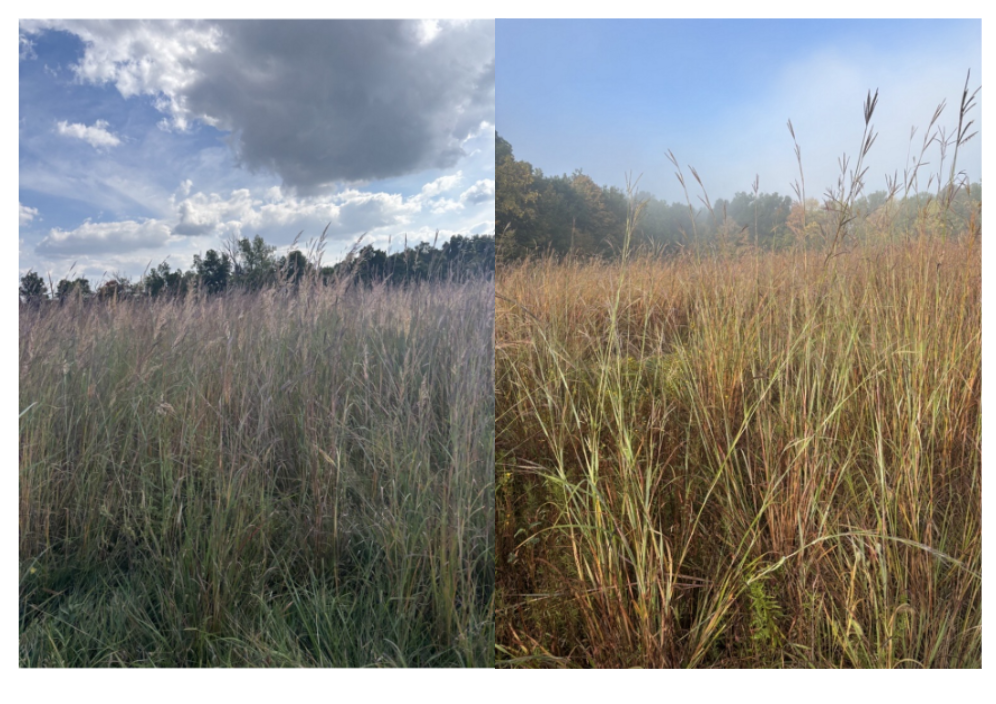
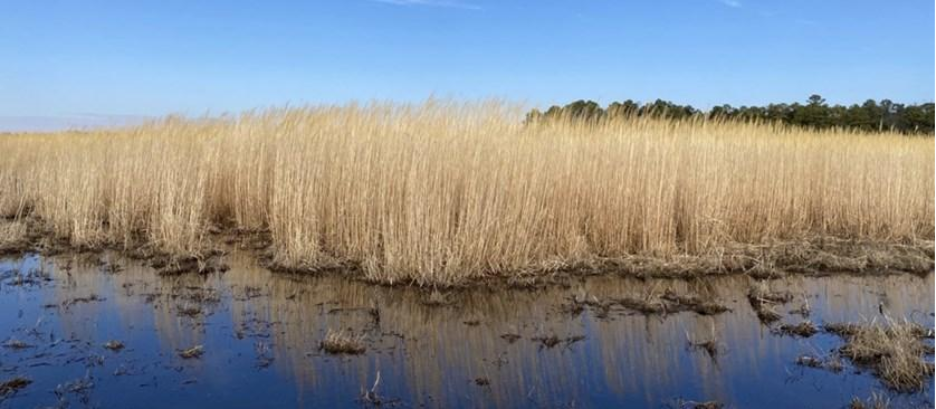
- Plant Indiangrass or switchgrass instead of miscanthus
- Plant mountain Mint (brushy herbaceous) instead of butterfly bush
- Plant native apples or flowering dogwood instead of Bradford pear
- Plant creeping mint or phlox instead of English Ivy
- Plant redbud instead of princess tree
- Plant American wisteria instead of Chinese/Japanese wisteria
- Plant viburnum instead of privet
- Plant ninebark instead of barberry
By utilizing natives in your landscape plantings, we are not only achieving the aesthetic factor many are drawn to, but the environmental factors that often don’t get considered.